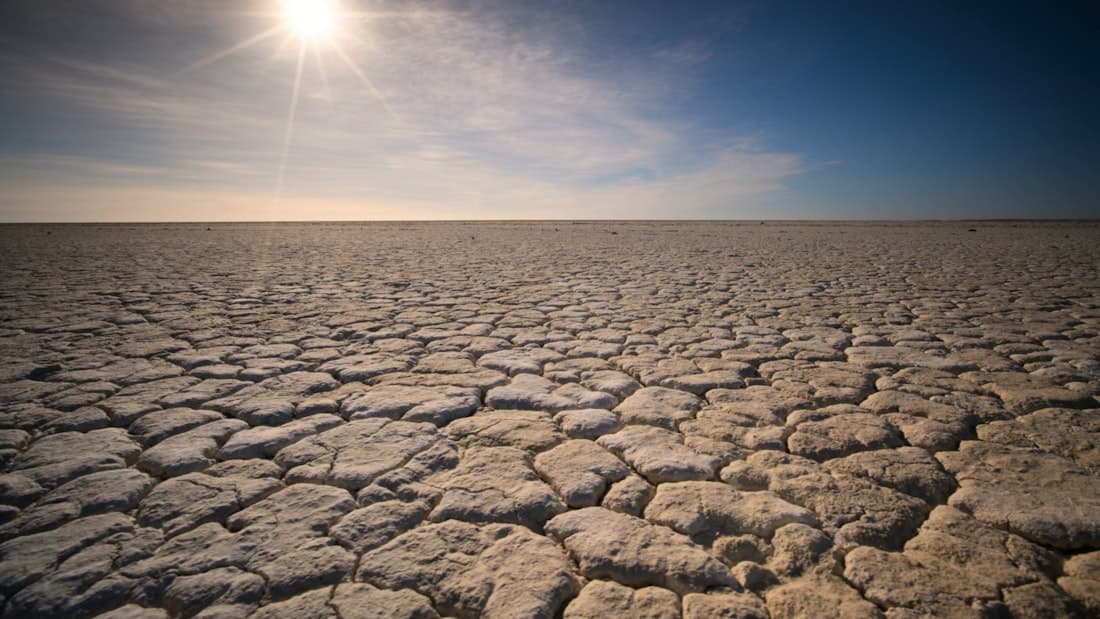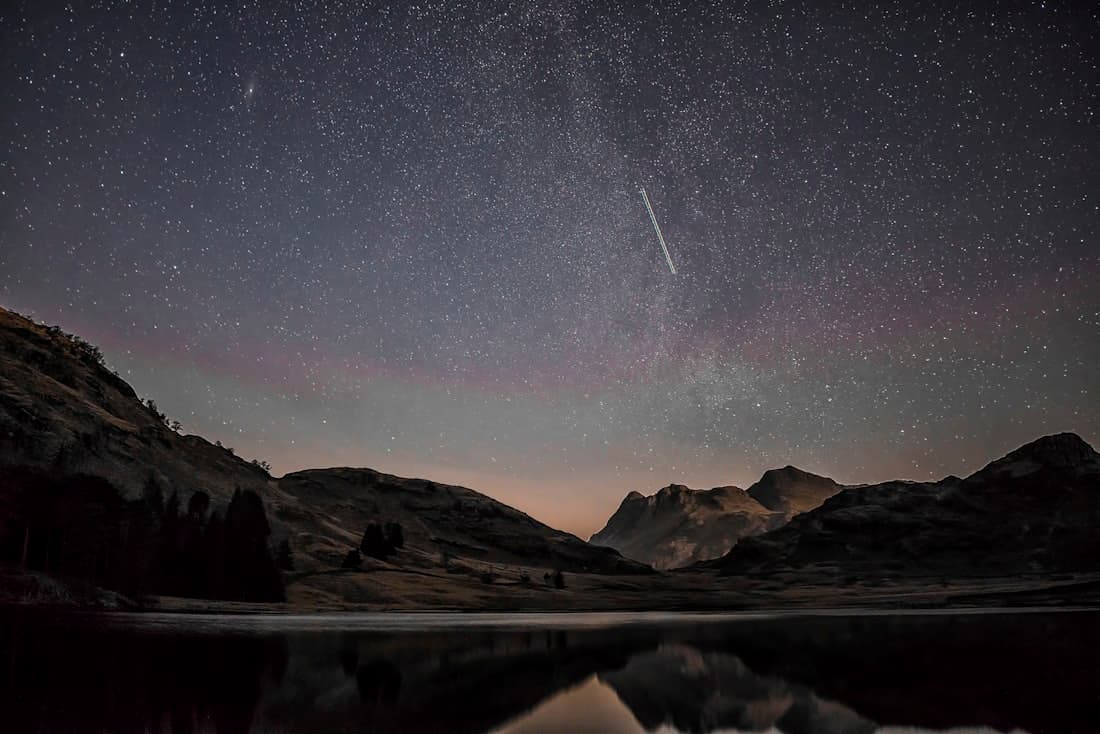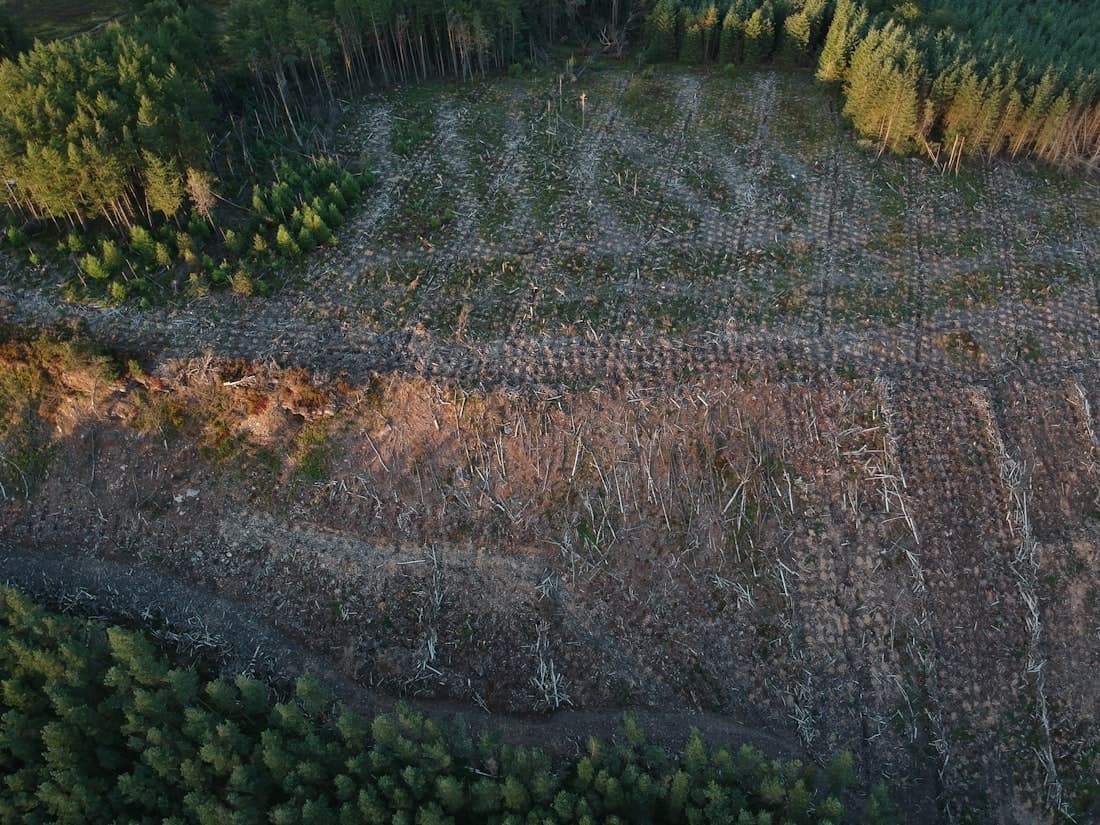
Ordovician–Silurian
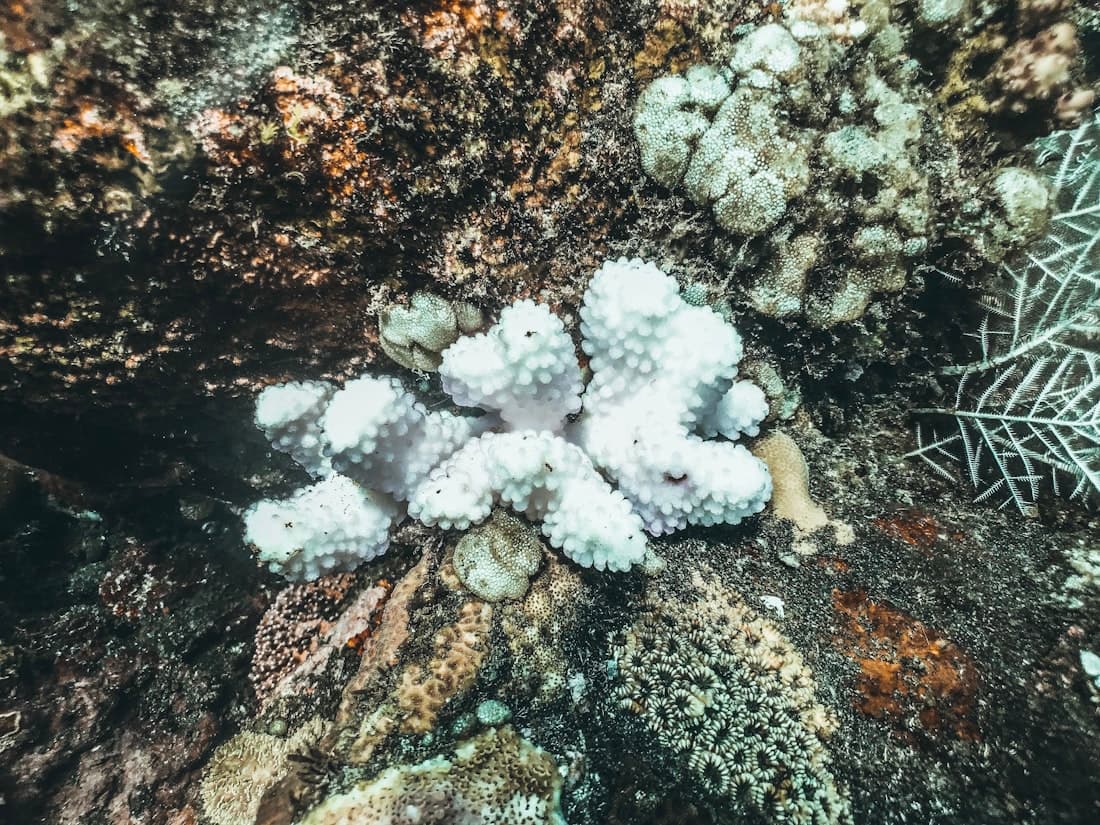
A sudden ice age locked the planet's water into glaciers and drained the shallow seas where almost all life lived. When the ice melted just as fast, the survivors drowned in the rebound.
Biodiversity Intelligence Platform
Real-time intelligence from the IUCN Red List of Threatened Species. Monitoring 10,947 critically endangered, 20,372 endangered, and 18,186 vulnerable species worldwide.
0
Threatened
CR + EN + VU
0
Critical
CR
0
Endangered
EN
0
Vulnerable
VU
Extinction Clock
Based on IUCN assessment rates. Updated daily.
Species added to the endangered list this year
1,595
Newly assessed as Critically Endangered, Endangered, or Vulnerable.
Species with improving status this year
27
Reassessed to a lower-risk category — most often through coordinated conservation action.
Current extinction rate
1,000× the natural background rate
Based on IUCN assessment rates and peer-reviewed background extinction estimates.
Find threatened species near youBrowser location only — no tracking.
Global Overview
Total Threatened
49,505
CR + EN + VU
Critically Endangered
10,947
Highest extinction risk
Endangered
20,372
Very high risk
Vulnerable
18,186
High risk
Declining
52%
25,913 species

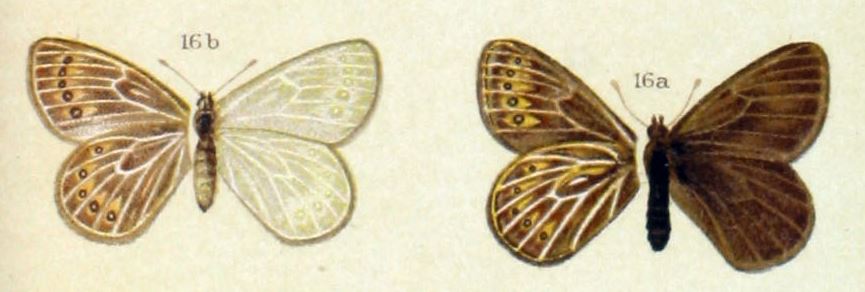
Diasemia reticularis
Lettered China-mark — classified as EN on the IUCN Red List
Learn more →
Total species classified as threatened per taxonomic group
Growth of IUCN-listed threatened species (CR + EN + VU) by assessment year
Note: Increases partly reflect expanded assessment coverage. Source: IUCN Red List

Earth's Mass Extinctions

A sudden ice age locked the planet's water into glaciers and drained the shallow seas where almost all life lived. When the ice melted just as fast, the survivors drowned in the rebound.

Over millions of years the oceans lost their oxygen. The great reef systems suffocated, and the warm shallow waters that had cradled early marine life turned into dead zones.

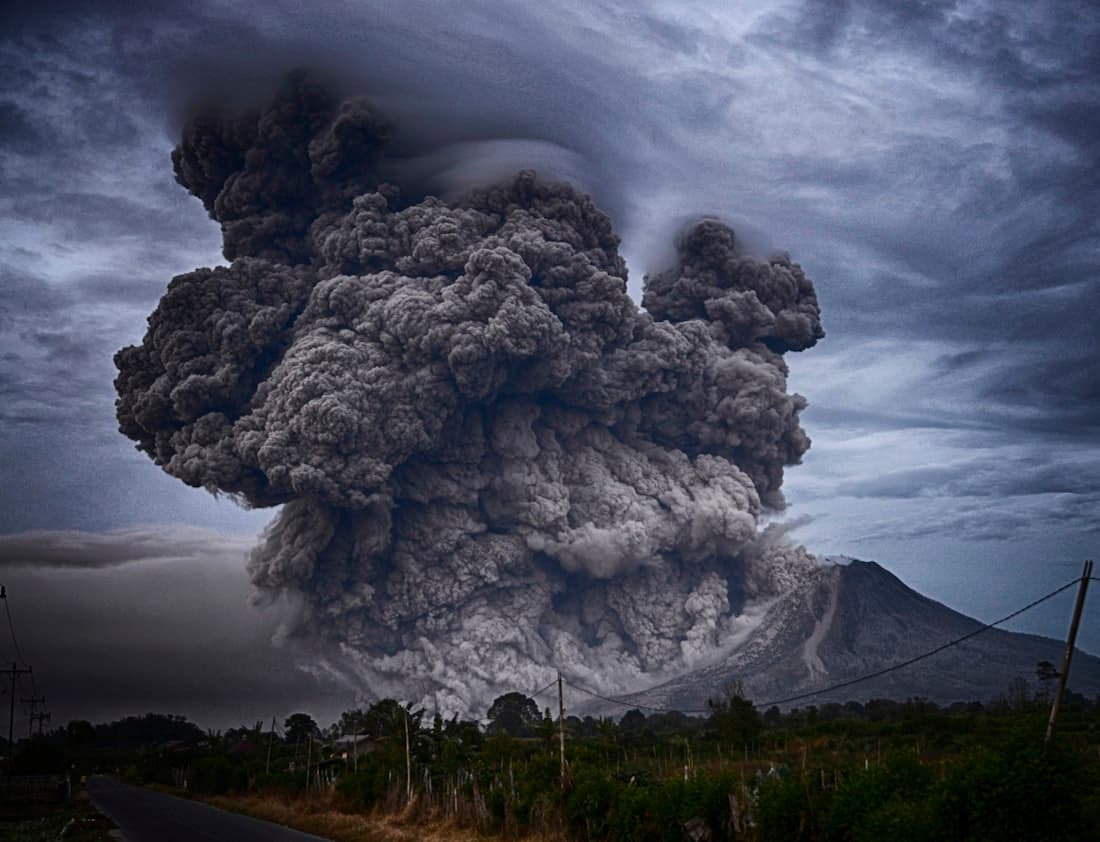
Known as the Great Dying. Colossal volcanic eruptions across Siberia poisoned the air and acidified the seas. Nearly all life on Earth vanished — the closest the planet has ever come to sterile.

As the supercontinent tore itself apart, carbon dioxide flooded the atmosphere and temperatures soared. The collapse cleared the stage for the dinosaurs to inherit the Earth.

A city-sized asteroid struck what is now Mexico. Dust and soot blotted out the sun for years, and the 165-million-year reign of the dinosaurs ended in cold and darkness.

For the first time, a single species is the cause. Habitat loss, climate breakdown and exploitation are erasing wildlife up to 1,000 times faster than nature ever did. We are the asteroid.
49,505 species are threatened right now.
The sixth extinction is not a prediction. It is a measurement — tracked species by species, in real time.
Explore threatened speciesSpecies Under Threat
Number of species classified as threatened (CR + EN + VU) on the IUCN Red List, from 2000 to 2026
49,505
threatened species in 2026
+348%
since 2000
11,046
Threatened in 2000
49,505
Threatened in 2026
+38,459
Increase over 26 years
Note: Increases partly reflect expanded assessment coverage, not only worsening status
Source: IUCN Red List
Critically Endangered

Sicyos alba
White bur cucumber faces severe threats from habitat destruction and fragmentation as coastal and wetland areas are converted for development and agriculture. The species' limited distribution and specialized habitat requirements make it particularly vulnerable to environmental changes and human encroachment, with small population sizes increasing extinction risk.

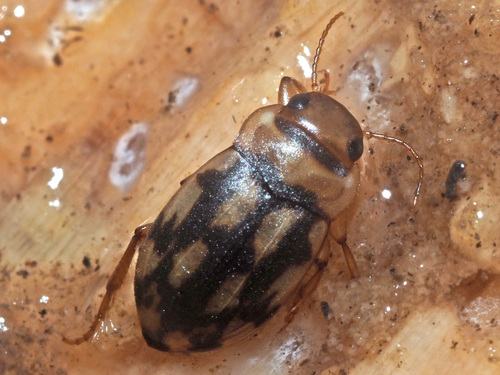
Stictotarsus duodecimpustulatus
Stictotarsus duodecimpustulatus faces severe threats from habitat degradation and water pollution in its limited aquatic environments. The species' extremely restricted range makes it particularly vulnerable to localized environmental changes, with agricultural runoff and urban development posing immediate risks to water quality in its breeding sites.

Clupeonella abrau
The primary threat to Clupeonella abrau stems from its complete dependence on Lake Abrau's fragile ecosystem, where water level fluctuations and quality degradation directly impact the entire population. Agricultural runoff from surrounding vineyards and increased tourism development around the lake have contributed to eutrophication and habitat degradation. The species' extremely limited gene pool, confined to a single small lake system, makes it particularly vulnerable to environmental changes and reduces its adaptive capacity to respond to emerging threats.

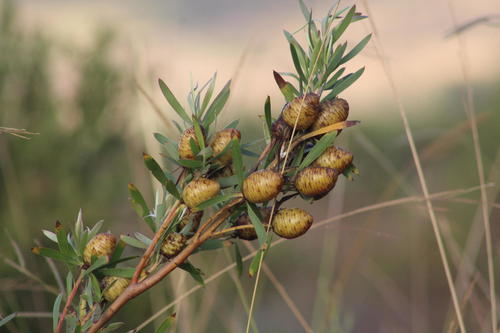
Leucadendron macowanii
The primary threat to Leucadendron macowanii stems from urban expansion and agricultural conversion within its tiny native range, which has eliminated over 80% of its original habitat. Invasive alien plant species, particularly Australian acacias and pines, aggressively colonize the remaining fynbos fragments and outcompete this slow-growing endemic shrub for resources. Altered fire regimes pose an additional critical threat, as both fire suppression and inappropriate burning intervals disrupt the species' natural regeneration cycle, preventing successful seedling establishment.

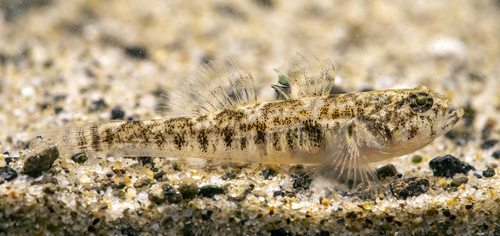
Knipowitschia milleri
Knipowitschia milleri faces extinction primarily due to habitat destruction and degradation of the limited freshwater springs and streams it depends upon near Corinth. Urban development, agricultural expansion, and water extraction for human use have severely reduced and fragmented the species' already tiny habitat range. Water pollution from agricultural runoff and urban sources further degrades the quality of remaining habitats, while the introduction of non-native fish species creates additional competitive pressure on this highly specialized endemic goby.
Anatolichthys transgrediens
Anatolichthys transgrediens faces severe threats from habitat degradation and water extraction in its extremely limited range within Turkey's inland water systems. The species is particularly vulnerable to agricultural water diversions and pollution from agricultural runoff, which alter water chemistry and flow patterns essential for its survival. Climate change-induced drought conditions further exacerbate water scarcity issues, while the species' restricted distribution makes it highly susceptible to localized environmental changes.
Most At Risk
Classification
SpeciesRadar tracks species assessed as threatened (CR + EN + VU) by the IUCN Red List. Additional categories are included where available from national red list sources.
Biodiversity data has been locked in specialist databases for too long. SpeciesRadar makes conservation intelligence accessible to everyone who needs it — from researchers and policymakers to educators and citizen scientists. This is the platform I wished existed when I started my career in ornithology three decades ago.
Dr Hem Sagar Baral
Co-founder, SpeciesRadar · Co-author, Field Guide to the Birds of Nepal (Helm) · Former ZSL Nepal Country Director
One short digest a week of the most striking species and country data we ship, plus breaking conservation news paired with our database where it matters.
Free, no spam. One-click unsubscribe in every email.
Data sourced from the IUCN Red List of Threatened Species and the Global Biodiversity Information Facility (GBIF). Methodology · Citation guide